

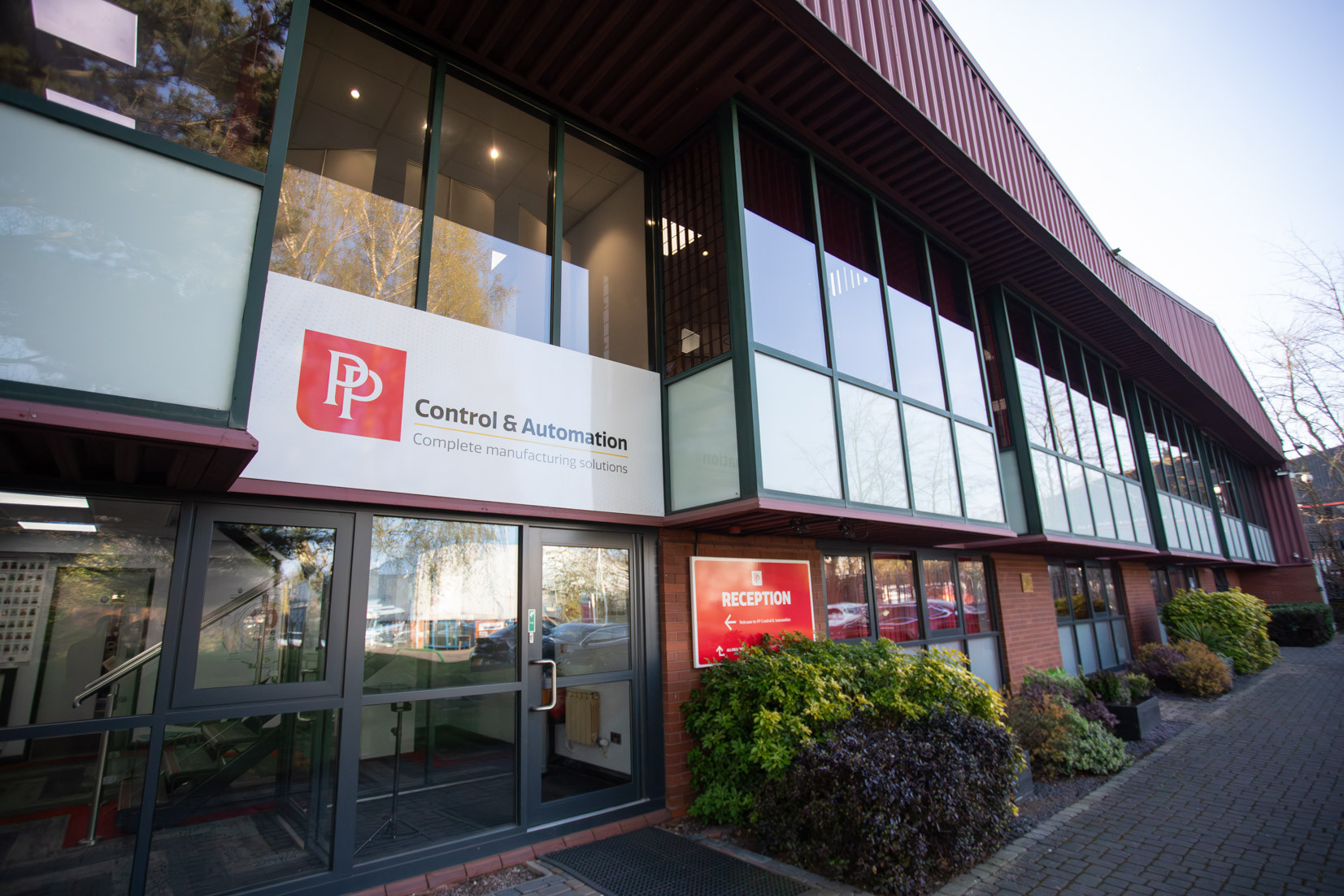
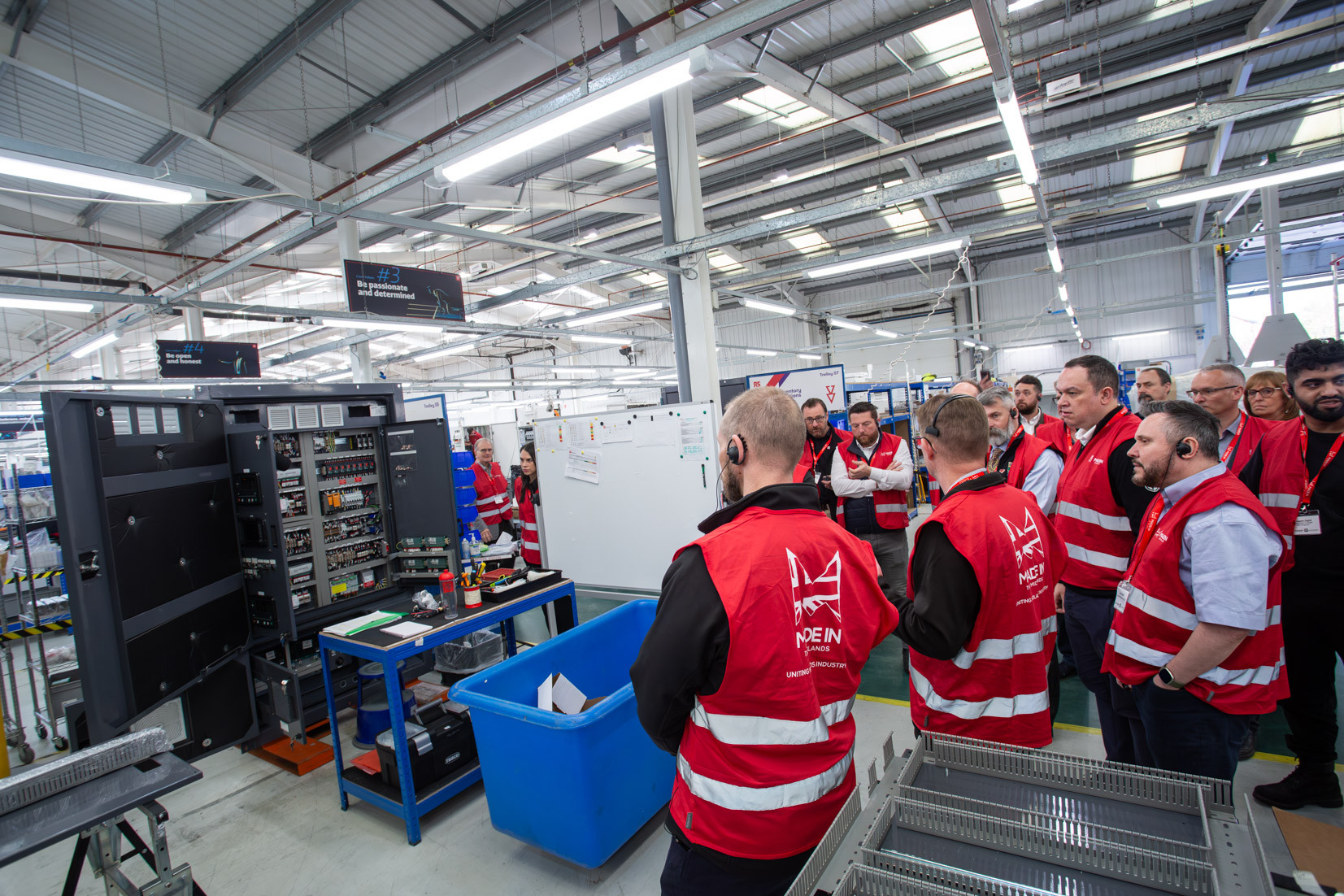
The whirr of power tools, the hum of automated cable cutters, the sharp crackle of a live test bench—these are the sounds that greeted 50 curious visitors who recently descended on PP Control & Automation’s facility in the West Midlands. The scene encapsulated something of a microcosm of the future of British manufacturing: people and processes in perfect harmony, calibrated to deliver high-tech solutions for a spectrum of industries. With 200 employees and a turnover exceeding £30 million, PP Control & Automation has evolved from a humble control panel builder to a leading light in machine builds, complex assemblies, and global OEM partnerships.
Yet despite state-of-the-art technology, the real heart of this best practice tour was culture—the sense that productive, sustainable manufacturing depends as much on empowering people as on process efficiency or digital transformation. Attendees from Made in the Midlands gathered in the crisp early morning for a welcome breakfast, forging connections over coffee and pastries, before convening for a deep dive into what drives PP Control & Automation from the inside out.
People: The Foundation of Growth
Central to the company’s ethos is the conviction that people—often referred to in the manufacturing lexicon as “human capital”—are not mere “resources” but partners. As HR People Partner Malcolm Condon explained, PP prefers the language of belonging and collaboration. True belonging, he suggests, transcends the standard corporate aims of “equity, diversity, and inclusion” and speaks to forging an environment where every team member feels genuinely valued.
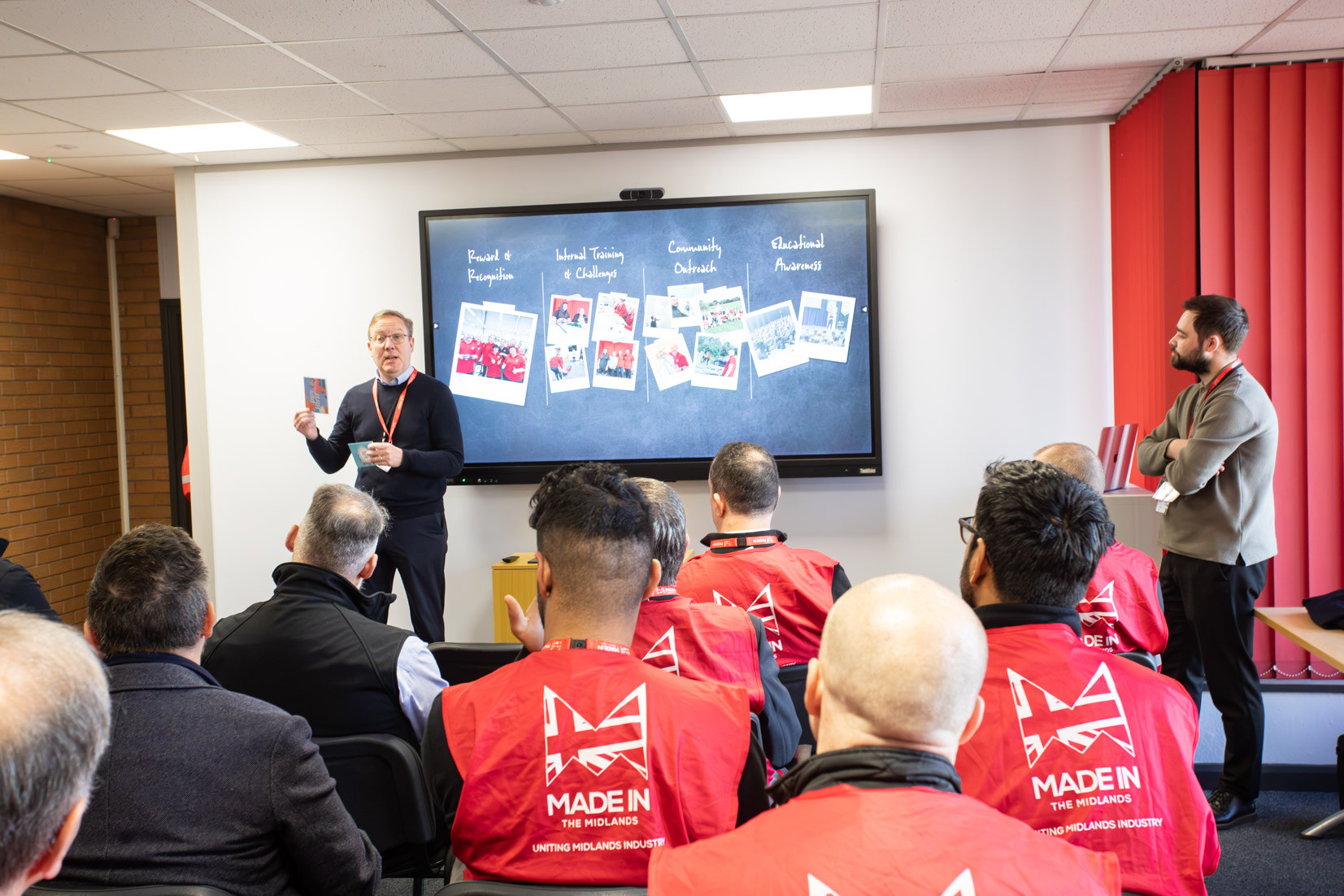
PP’s core values—developed through workforce-led focus groups—are a testament to this. These values, ranging from “wowing customers” and “learning and driving change” to “humility” and “being adventurous,” guide everyday decisions on the shop floor and beyond. Birthdays become cause for celebration with extra time off and gifts from a “present kanban.” Noteworthy achievements yield handwritten “thank you” cards. Such gestures may seem small, but they underscore a broader principle: respect, recognition, and simple acts of gratitude fuel loyalty and a willingness to innovate.
Mastering the Art of Training
In a fast-paced industry that demands continuous upskilling, PP Control & Automation’s training matrix caught the keen attention of the best practice delegation. At first glance, it might appear standard: training documents, sign-off sheets, and a shared digital repository. But it is the clarity and consistency that set their approach apart.
Training begins by breaking down skill sets—such as cable preparation or pneumatics—into transparent modules. New starters or upskilling workers then embark on a staged process, moving from basic orientation to capable independence, with frequent feedback loops to ensure each skill is mastered. A “versatility matrix” tracks progress in real time, giving a bird’s-eye view of who can do what, to what level, and with what consistency. That openness not only drives fair compensation discussions but also keeps career pathways visible, so no one is left wondering how to climb higher.
Continuous Improvement: From Marginal Gains to Major Breakthroughs
Scott Ward, the Continuous Improvement and Training Coordinator, introduced attendees to “Challenge Zero,” an internal initiative targeting “zero issues, zero excuses, and zero assumptions.” Although the mantra might sound stark, it really boils down to an endless quest for marginal gains. Employees are empowered to call out inefficiencies, whether it’s rummaging through bulk cables or walking too far to fetch a tool. One example the team highlighted: reorganizing the way cables were cut and delivered to assembly teams. Previously, operators spent minutes—sometimes hours—sorting through unsegregated batches, which led to damaged crimps and wasted material. A small tweak to the cutting program saved more than an hour per build and eradicated rework.
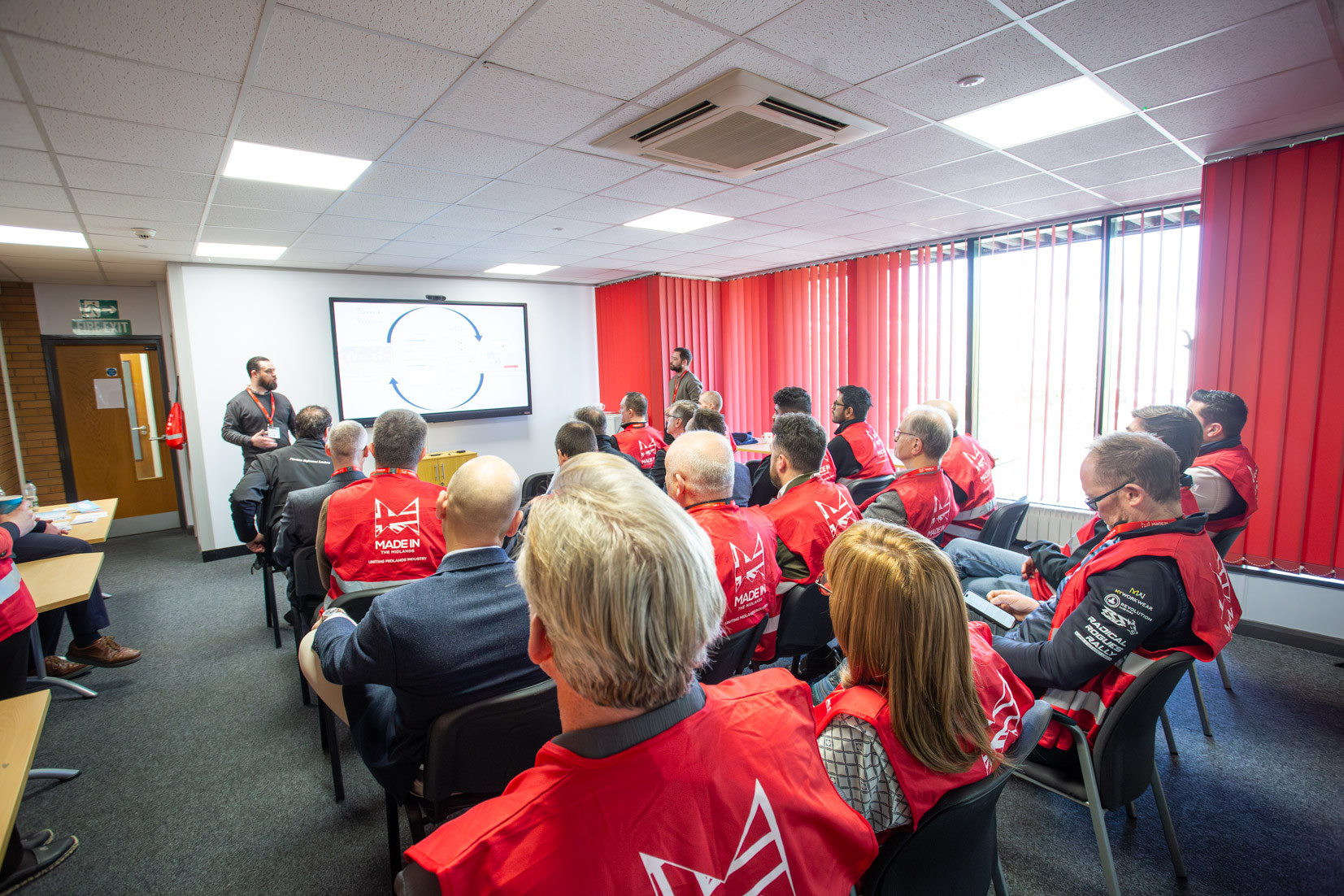
This is the future of manufacturing in microcosm: every operator aware of how each small change folds into the larger narrative of improved productivity, leaner operations, and a heightened sense of pride at the workstation.
Wellbeing as a Pillar of Performance
Of course, the real test of a manufacturing business is not just about how quickly a problem can be solved, but how well the workforce can adapt and thrive. On this score, PP’s commitment to wellbeing proves pivotal. Volunteer Wellbeing Champions, trained in mental health and physical wellness, serve as a vital support system. Meanwhile, efforts to reduce stigma around stress, anxiety, and other challenges are visible at every turn, with monthly campaigns on mental health topics rolling out across the factory.
Moreover, an arrangement to pay full wages for employees facing cancer diagnoses, along with comprehensive health insurance options, underscores the company’s long-term view. Put simply: looking after employees is not an add-on to the business model; it’s a core part of why the business model works.
Collaborating for the Future
Another central theme shared by Marketing Manager, Richard Spears that resonated with visitors was PP’s knack for forging strategic partnerships. From the Manufacturing Assembly Network to new consortia aimed at green technology or defence security markets, PP exemplifies how collaboration can unlock both resilience and business growth.
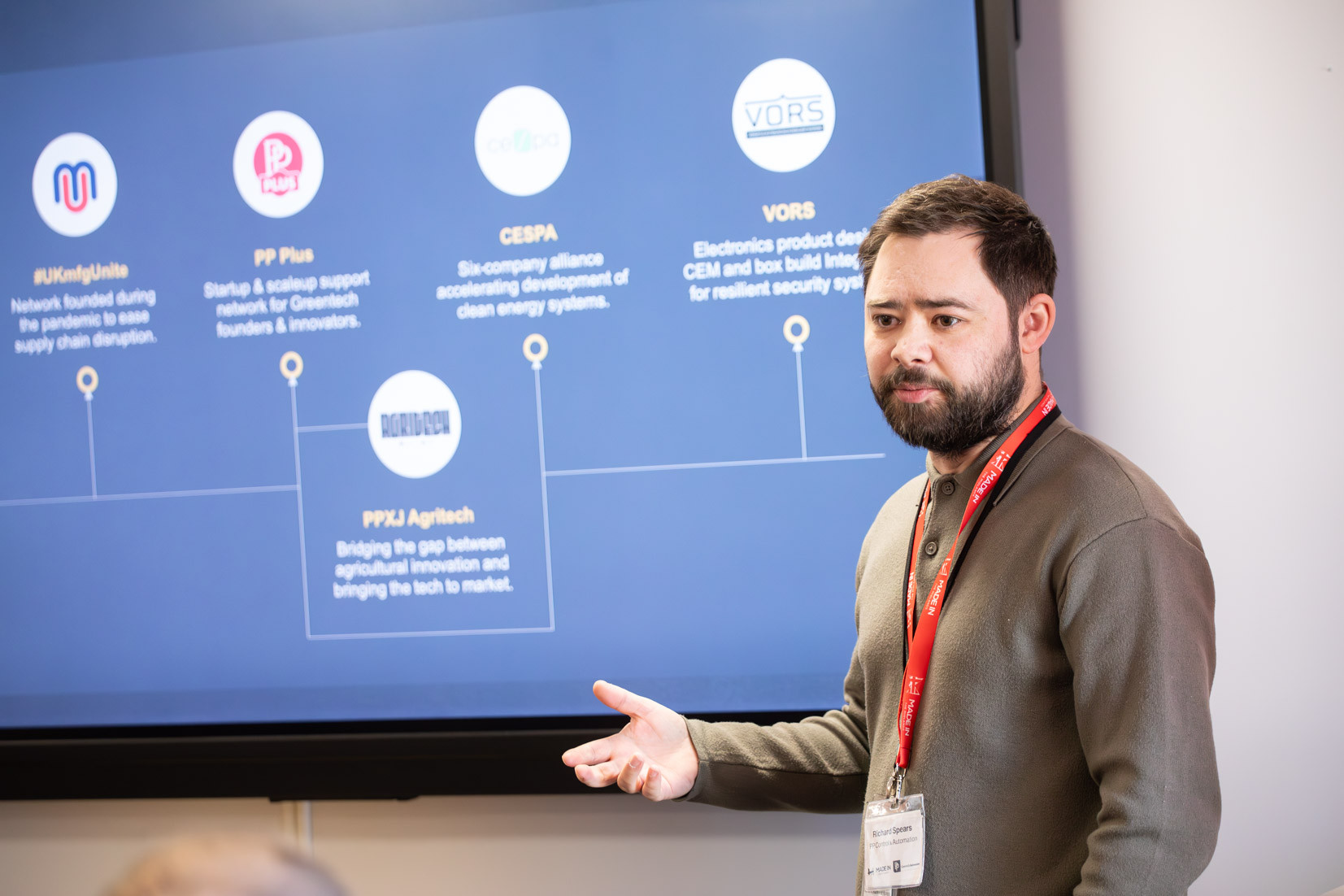
During the height of the COVID-19 pandemic, PP led UKMFG Unite, which championed reshoring and provided a digital forum for British manufacturers to solve supply chain challenges in real time. And from the vantage point of the West Midlands, PP’s outreach extends well beyond its region. Through these alliances, the company helps shape the national conversation on how to harness advanced manufacturing technologies—think automation, robotics, mechatronics, or advanced design software—while preserving the people-first tradition that has made the UK’s industrial heritage so resilient.
Stepping Onto the Factory Floor
The tour’s final act was a walk through the bustling production lines. Attendees witnessed everything from rapid harness assembly to advanced electronics integration, with the hum of finishing processes blending seamlessly into end-of-line testing. Operatives skilled in multiple stations moved with confidence, testament to a training regime that invests in their autonomy. Observers also saw how integrated improvement boards, documentation, and daily huddle practices transform theory into concrete gains on safety, quality, and delivery.
If the future of British manufacturing rests on bridging the gap between high-level technology and a supportive human ecosystem, PP Control & Automation offers a strong working model. The company’s blend of practical skills development, unwavering commitment to wellbeing, and robust collaborative spirit hints at a manufacturing renaissance—one that recognises people as the beating heart of progress.
By day’s end, the message resonated: this is more than a success story about steel and circuit boards. It’s a narrative of culture—of an evolving sector that marries analytics with empathy, high-tech with humanity, driving forward a new era of British engineering excellence.